As modern vehicles become increasingly electronic and intelligent, automotive wire harnesses have become one of the most critical components in vehicle electrical systems. From engine management and lighting control to infotainment systems and advanced driver assistance systems (ADAS), wire harnesses serve as the “nervous system” of automobiles.
At Xiamen Yihetai Cable Co.,Ltd, we specialize in the research, development, manufacturing, and sales of high-quality wire harnesses, cables, and custom connectivity solutions for global automotive and industrial customers. This article provides a practical overview of automotive wire harnesses, including their types, applications, technical specifications, purchasing considerations, and quality assurance standards.
What Is an Automotive Wire Harness?
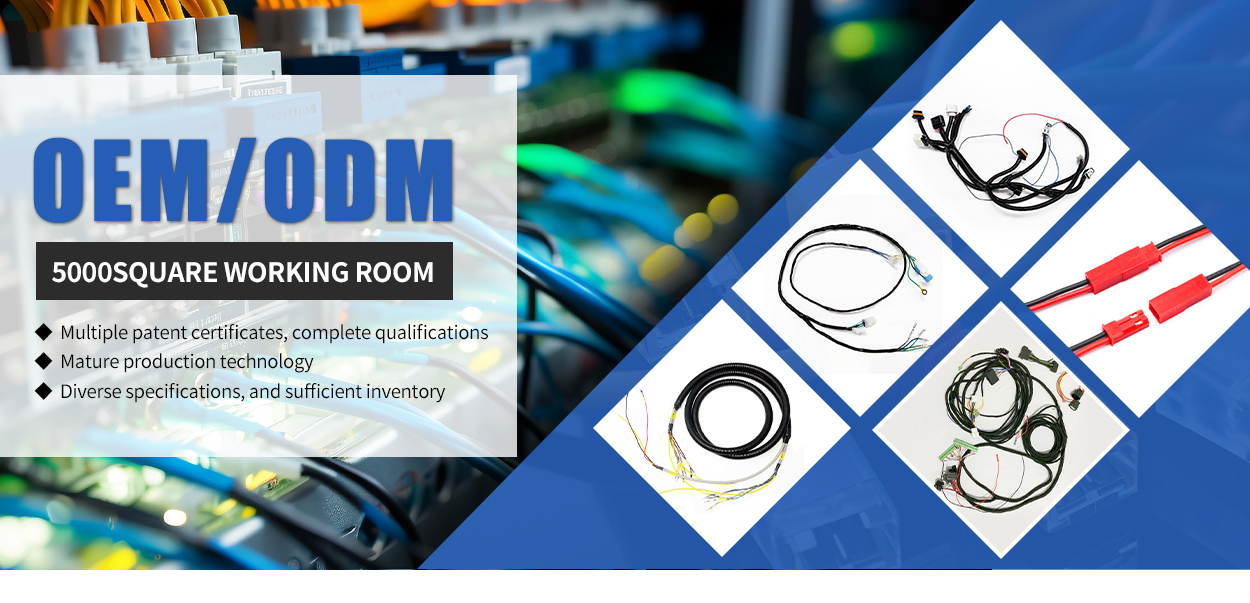
An automotive wire harness is an organized assembly of wires, terminals, connectors, sleeves, tapes, and protective materials designed to transmit electrical power and signals throughout a vehicle.
Instead of having hundreds of loose wires inside a vehicle, a wire harness bundles and secures electrical circuits into a compact, durable, and easy-to-install system.
Main Functions of Automotive Wire Harnesses
Power distribution
Signal transmission
Communication between electronic modules
Protection against vibration, heat, moisture, and abrasion
Simplified vehicle assembly and maintenance
Automotive wire harnesses are engineered to withstand harsh operating environments, including:
High temperatures
Oil and chemical exposure
Continuous vibration
Humidity and water ingress
Electromagnetic interference (EMI)
Types of Automotive Wire Harnesses
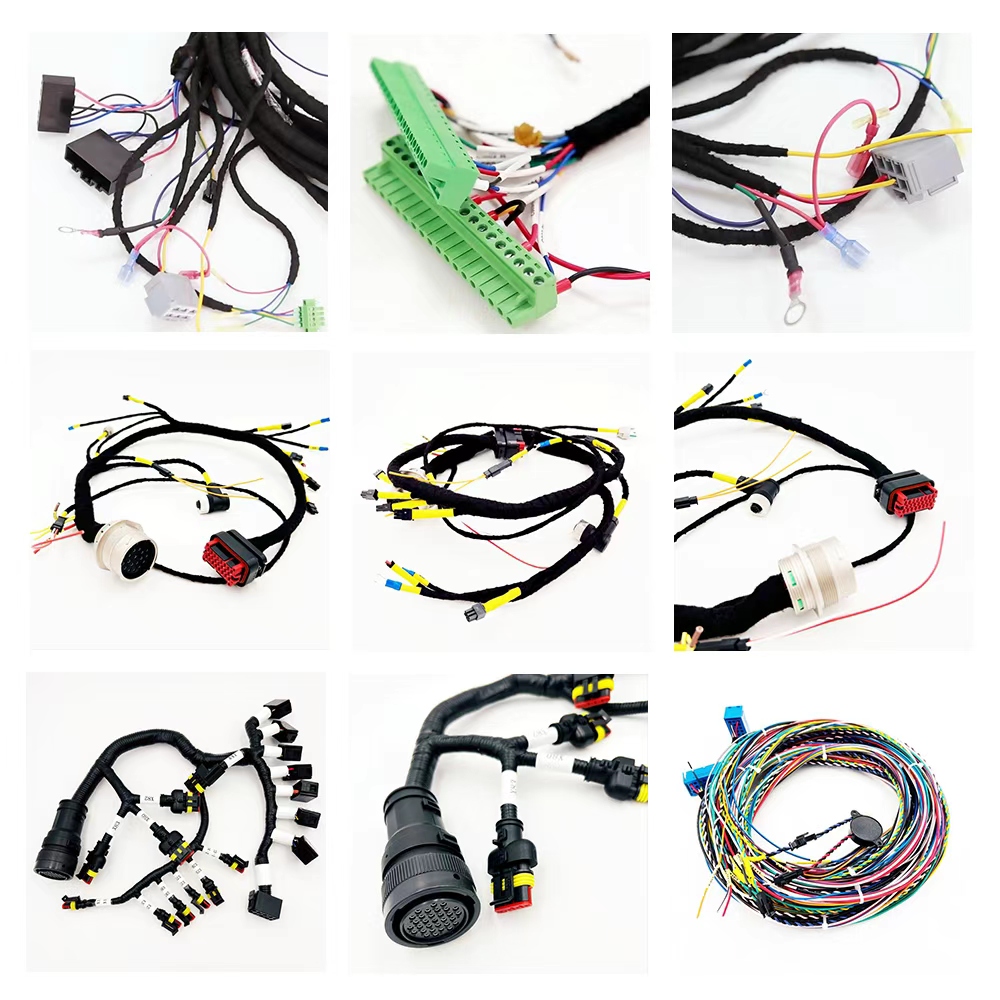
Different vehicle systems require different wire harness designs. Below are the most common types used in modern vehicles.
Engine Wire Harness
The engine harness connects critical engine components such as:
ECU (Engine Control Unit)
Fuel injectors
Sensors
Ignition coils
Alternators
Key Characteristics
High-temperature resistance
Oil-resistant insulation
Shielded signal transmission
Strong vibration resistance
Dashboard Wire Harness
This harness supports the vehicle’s interior electronic systems, including:
Instrument clusters
Infotainment systems
HVAC controls
Navigation modules
Switch panels
Key Characteristics
Compact structure
Flexible routing
Stable low-voltage signal transmission
Chassis Wire Harness
Used for electrical systems located in the chassis area.
Typical Applications
ABS braking systems
Suspension systems
Steering controls
Fuel systems
Key Characteristics
Waterproof protection
Abrasion resistance
Corrosion resistance
Lighting Wire Harness
Controls exterior and interior vehicle lighting systems.
Applications
Headlights
Tail lights
Fog lights
Ambient lighting
LED systems
Key Characteristics
Stable current transmission
Heat-resistant connectors
Waterproof terminals
EV High-Voltage Wire Harness
Electric vehicles require specialized high-voltage harness systems.
Applications
Battery packs
Charging systems
Inverters
Electric motors
Key Characteristics
High-voltage insulation
Electromagnetic shielding
Flame-retardant materials
Enhanced safety protection
Automotive Wire Harness Application Scenarios
Automotive wire harnesses are widely used across various vehicle categories.
Passenger Vehicles
Passenger cars require complex harness systems to support:
Safety systems
Infotainment systems
Smart cockpit electronics
Autonomous driving technologies
Commercial Vehicles
Trucks and buses require durable harness systems for:
Long operating hours
Heavy vibration conditions
Fleet telematics
Power management systems
Electric Vehicles (EVs)
EV wire harnesses are increasingly important because of:
Battery management systems (BMS)
Fast charging infrastructure
High-voltage power distribution
Energy efficiency optimization
Agricultural and Construction Machinery
Heavy-duty equipment requires rugged harnesses capable of operating in:
Dusty environments
Wet conditions
High vibration applications
Extreme temperatures

Key Technical Parameters of Automotive Wire Harnesses
When selecting automotive wire harnesses, buyers should carefully evaluate the following technical specifications.
| Technical Parameter | Description |
|---|---|
| Rated Voltage | Commonly 12V, 24V, 48V, or high-voltage EV systems |
| Temperature Range | Typically -40°C to 125°C or higher |
| Conductor Material | Copper or tinned copper |
| Insulation Material | PVC, XLPE, TPE, silicone, etc. |
| Waterproof Rating | IP67/IP68 available |
| Shielding Type | Aluminum foil, braided shielding |
| Flame Retardancy | UL, VW-1 compliant |
| Connector Type | OEM-compatible connectors |
| Wire Gauge | Custom AWG specifications |
| Durability | High flex cycle and vibration resistance |
Common Purchasing Questions Buyers Ask
1. How Do I Choose the Right Automotive Wire Harness Supplier?
Buyers should evaluate suppliers based on:
Manufacturing capability
Automotive industry experience
Certification compliance
Customization capability
Quality control systems
Delivery stability
A professional supplier should provide engineering support and rapid prototyping services.
2. Can Automotive Wire Harnesses Be Customized?
Yes. Most automotive projects require customized solutions based on:
Vehicle platform
Connector types
Cable length
Voltage requirements
Environmental conditions
At Xiamen Yihetai Cable Co.,Ltd, we provide customized wire harness solutions tailored to OEM and aftermarket applications.
3. What Certifications Are Important?
Important certifications may include:
IATF 16949
ISO 9001
UL certification
RoHS compliance
REACH compliance
These certifications help ensure product reliability and regulatory compliance.
4. What Is the Typical Lead Time?
Lead time depends on:
Product complexity
Material availability
Connector sourcing
Order quantity
Typical project timelines include:
Sample production: 7–15 days
Mass production: 20–35 days
5. How Is Product Reliability Tested?
Professional automotive wire harness manufacturers perform:
Continuity testing
High-voltage testing
Pull-force testing
Salt spray testing
Temperature cycling tests
Waterproof testing
Vibration testing
Why Choose Xiamen Yihetai Cable Co.,Ltd?
Advanced Manufacturing Capability
Xiamen Yihetai Cable Co.,Ltd operates with advanced production equipment and strict quality management systems to ensure consistent product performance.
Custom Engineering Support
We provide:
OEM/ODM wire harness development
Rapid sample production
Connector matching support
Technical drawing assistance
Application engineering consultation
Strict Quality Control
Every automotive wire harness undergoes rigorous inspection and electrical testing before shipment.
Global Export Experience
We support customers worldwide across industries including:
Automotive
New energy
Industrial automation
Consumer electronics
Medical equipment
Future Trends in Automotive Wire Harnesses
As the automotive industry evolves toward electrification and intelligent driving, wire harness technology is also advancing rapidly.
Key Industry Trends
Lightweight Harness Design
Reducing vehicle weight helps improve fuel efficiency and EV battery range.
High-Speed Data Transmission
Modern vehicles require faster communication protocols for:
ADAS
Cameras
Radar systems
Autonomous driving systems
High-Voltage EV Systems
Electric vehicles demand safer and more efficient high-voltage harness solutions.
Modular Harness Architecture
Modular systems help manufacturers simplify assembly and maintenance.
Conclusion
Automotive wire harnesses are essential components that ensure reliable electrical connectivity throughout modern vehicles. Selecting the right wire harness solution requires careful consideration of application environments, technical specifications, durability requirements, and supplier capabilities.
As a professional manufacturer of cables and wire harness systems, Xiamen Yihetai Cable Co.,Ltd is committed to delivering high-quality, customized automotive connectivity solutions for global customers.
Whether you are sourcing standard automotive wiring assemblies or developing customized EV harness systems, partnering with an experienced manufacturer can help improve product reliability, production efficiency, and long-term performance.
FAQ
What materials are commonly used in automotive wire harnesses?
Common materials include copper conductors, PVC insulation, XLPE insulation, silicone sleeves, and waterproof connectors.
Are automotive wire harnesses waterproof?
Yes. Many automotive wire harnesses are designed with IP67 or IP68 waterproof protection for harsh environments.
Can wire harnesses support electric vehicles?
Yes. EV wire harnesses are specifically designed for high-voltage power transmission and battery management systems.
Does Xiamen Yihetai Cable Co.,Ltd provide custom wire harness solutions?
Yes. We provide customized wire harness manufacturing services based on customer drawings, specifications, and application requirements.
Contact Xiamen Yihetai Cable Co.,Ltd
If you are looking for reliable automotive wire harness manufacturers in China, contact Xiamen Yihetai Cable Co.,Ltd for customized solutions, technical support, and competitive quotations.
We welcome OEM and ODM cooperation from global automotive and industrial customers.