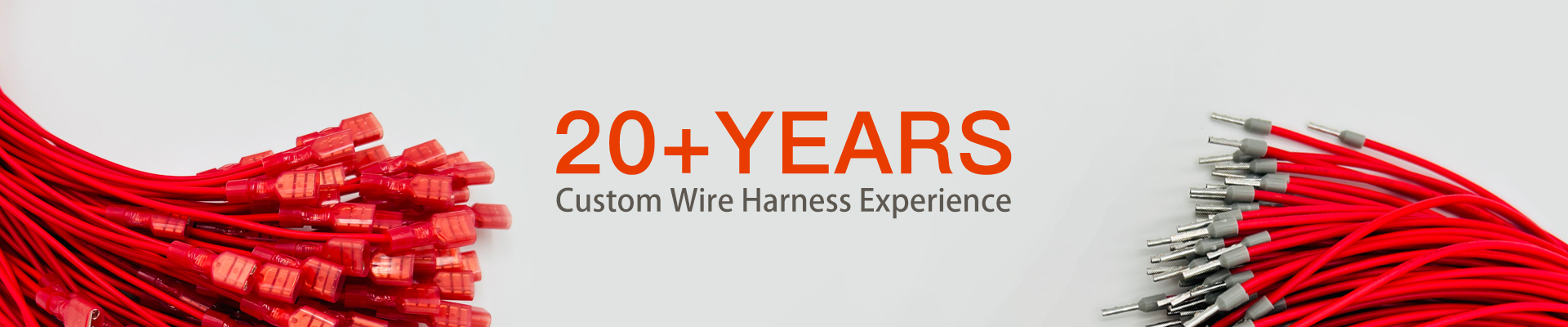
As modern industries move toward automation, electrification, and intelligent manufacturing, electrical harnesses and cable assemblies have become indispensable components across automotive, industrial, medical, communication, and consumer electronics sectors.
For OEMs, choosing the right wire harness and cable assembly supplier directly affects product reliability, production efficiency, safety compliance, and long-term operational costs.
At Xiamen Yihetai Cable Co.,Ltd, we specialize in the research, development, manufacturing, and sales of high-quality wire harnesses, cable assemblies, and customized connectivity solutions for global OEM customers. This guide explains the fundamentals, applications, technical parameters, sourcing considerations, and supplier evaluation standards for electrical harness and cable assembly projects.
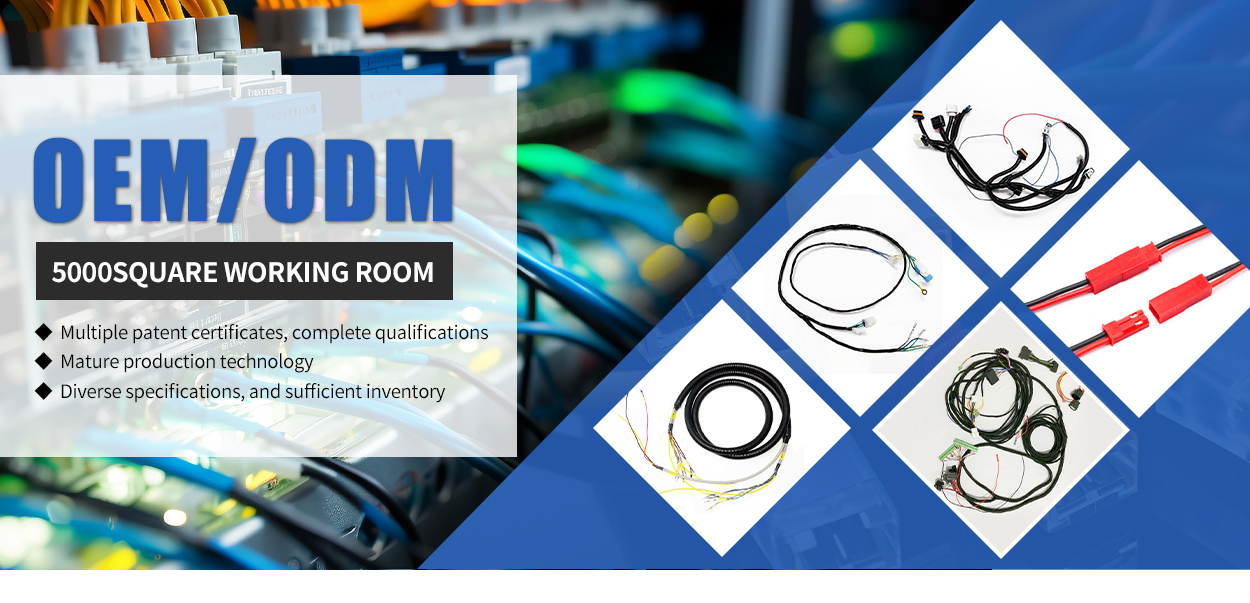
What Is an Electrical Harness?
An electrical harness, also known as a wire harness, is an organized bundle of wires, terminals, connectors, sleeves, and protective materials designed to transmit electrical power and signals efficiently between devices or systems.
Instead of using loose wires, wire harnesses provide:
Structured cable routing
Improved safety
Reduced installation time
Better vibration resistance
Enhanced system reliability
Electrical harnesses are widely used in industries requiring stable electrical connections under demanding operating conditions.
What Is a Cable Assembly?
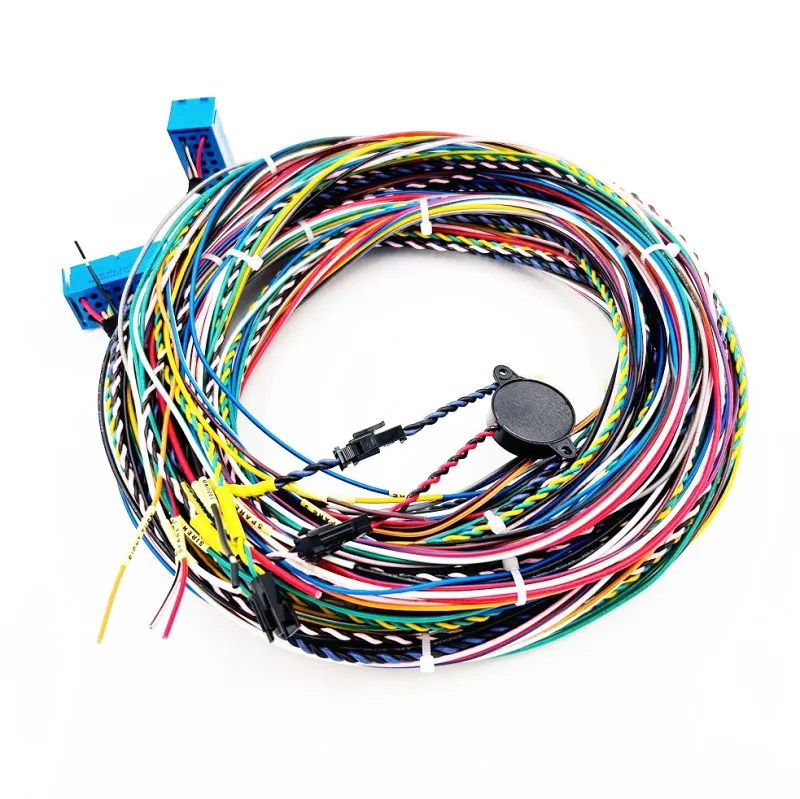
A cable assembly is a group of cables or wires arranged into a single integrated unit for transmitting power, data, or signals.
Cable assemblies typically include:
Connectors
Overmolding
Shielding layers
Protective tubing
Insulation materials
Compared with standard wire harnesses, cable assemblies often require higher precision, signal integrity, and environmental protection.
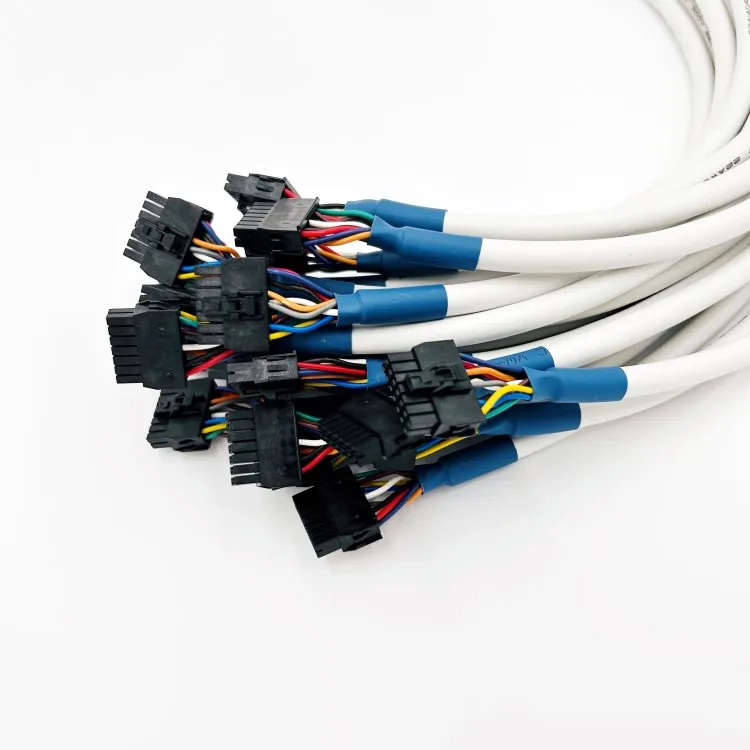
Difference Between Wire Harnesses and Cable Assemblies
| Feature | Wire Harness | Cable Assembly |
|---|---|---|
| Main Function | Organize wires | Protect and integrate cables |
| Protection Level | Moderate | High |
| Environmental Resistance | Basic protection | Enhanced protection |
| Typical Application | Internal wiring | Harsh environments |
| Cost | Lower | Higher |
| Complexity | Moderate | Advanced |
Both solutions are critical for OEM manufacturing depending on application requirements.
Common Types of Electrical Harnesses and Cable Assemblies
Automotive Wire Harness
Used in:
Engine systems
Dashboard electronics
Lighting systems
EV battery systems
ADAS modules
Key Requirements
Heat resistance
Oil resistance
Vibration resistance
Waterproof capability
Industrial Equipment Harness
Applied in:
Automation equipment
CNC machinery
Robotics systems
Industrial sensors
Key Requirements
Flexibility
EMI shielding
Long service life
High bending resistance
Medical Cable Assemblies
Used for:
Diagnostic equipment
Patient monitoring systems
Imaging devices
Surgical equipment
Key Requirements
High precision
Biocompatibility
Stable signal transmission
Sterilization compatibility
Communication Cable Assemblies
Commonly used in:
Servers
Data centers
Telecom systems
Network infrastructure
Key Requirements
High-speed transmission
Low signal loss
Shielding performance
Data integrity
Consumer Electronics Harnesses
Applied in:
Smart home devices
Household appliances
Gaming devices
Portable electronics
Key Requirements
Compact design
Lightweight structure
Cost efficiency
Flexible routing
Application Scenarios for OEMs
OEM manufacturers require customized wire harness and cable assembly solutions across various industries.
Automotive OEMs
Automotive manufacturers need harness systems capable of supporting:
Electronic control units
Battery management systems
Intelligent driving technologies
Infotainment systems
Industrial Automation OEMs
Automation equipment manufacturers require durable cable assemblies for:
Servo systems
Industrial robots
Motion control systems
Sensor communication
New Energy OEMs
Renewable energy applications require specialized assemblies for:
Solar energy systems
Energy storage equipment
EV charging systems
Power conversion systems
Medical Equipment OEMs
Medical applications demand highly reliable assemblies with:
Precise signal transmission
Safety certifications
Stable connectivity
Compact integration
Key Technical Parameters OEMs Should Evaluate
When sourcing electrical harnesses and cable assemblies, OEM buyers should evaluate the following technical specifications carefully.
| Technical Parameter | Description |
|---|---|
| Rated Voltage | 12V, 24V, 48V, high voltage systems |
| Current Capacity | Based on conductor size |
| Conductor Material | Copper, tinned copper |
| Wire Gauge | AWG customization available |
| Insulation Material | PVC, XLPE, TPE, silicone |
| Temperature Range | -40°C to 125°C or higher |
| Shielding Type | Braided, foil, hybrid shielding |
| Waterproof Rating | IP67/IP68 |
| Flame Retardancy | UL/VW-1 compliant |
| Connector Compatibility | OEM standard connectors |
| Flex Life | High bending cycle capability |
| EMC Performance | Electromagnetic compatibility |
Common OEM Purchasing Questions
1. How Do OEMs Choose the Right Cable Assembly Supplier?
OEM buyers should evaluate suppliers based on:
Engineering capability
Manufacturing capacity
Quality management systems
Certification compliance
Delivery reliability
Customization capability
Export experience
A professional supplier should support projects from prototype development to mass production.
2. Can Wire Harnesses Be Fully Customized?
Yes. Most OEM projects require custom solutions including:
Connector selection
Cable length
Wire gauge
Labeling
Overmolding
Shielding design
Waterproof structures
At Xiamen Yihetai Cable Co.,Ltd, we provide customized OEM and ODM cable assembly solutions based on customer drawings, specifications, and application environments.
3. What Certifications Are Important?
OEM buyers often require suppliers to comply with:
ISO 9001
IATF 16949
UL certification
RoHS compliance
REACH compliance
These certifications help ensure product consistency and international compliance.
4. What Is the Typical Production Lead Time?
Lead time varies depending on project complexity and order quantity.
Typical Timeline
| Project Stage | Estimated Time |
|---|---|
| Engineering review | 1–3 days |
| Sample production | 7–15 days |
| Testing and validation | 3–7 days |
| Mass production | 20–35 days |
5. How Is Product Quality Verified?
Professional manufacturers conduct multiple inspections including:
Continuity testing
Short circuit testing
Pull force testing
High-voltage testing
Waterproof testing
Salt spray testing
Vibration testing
Visual inspection
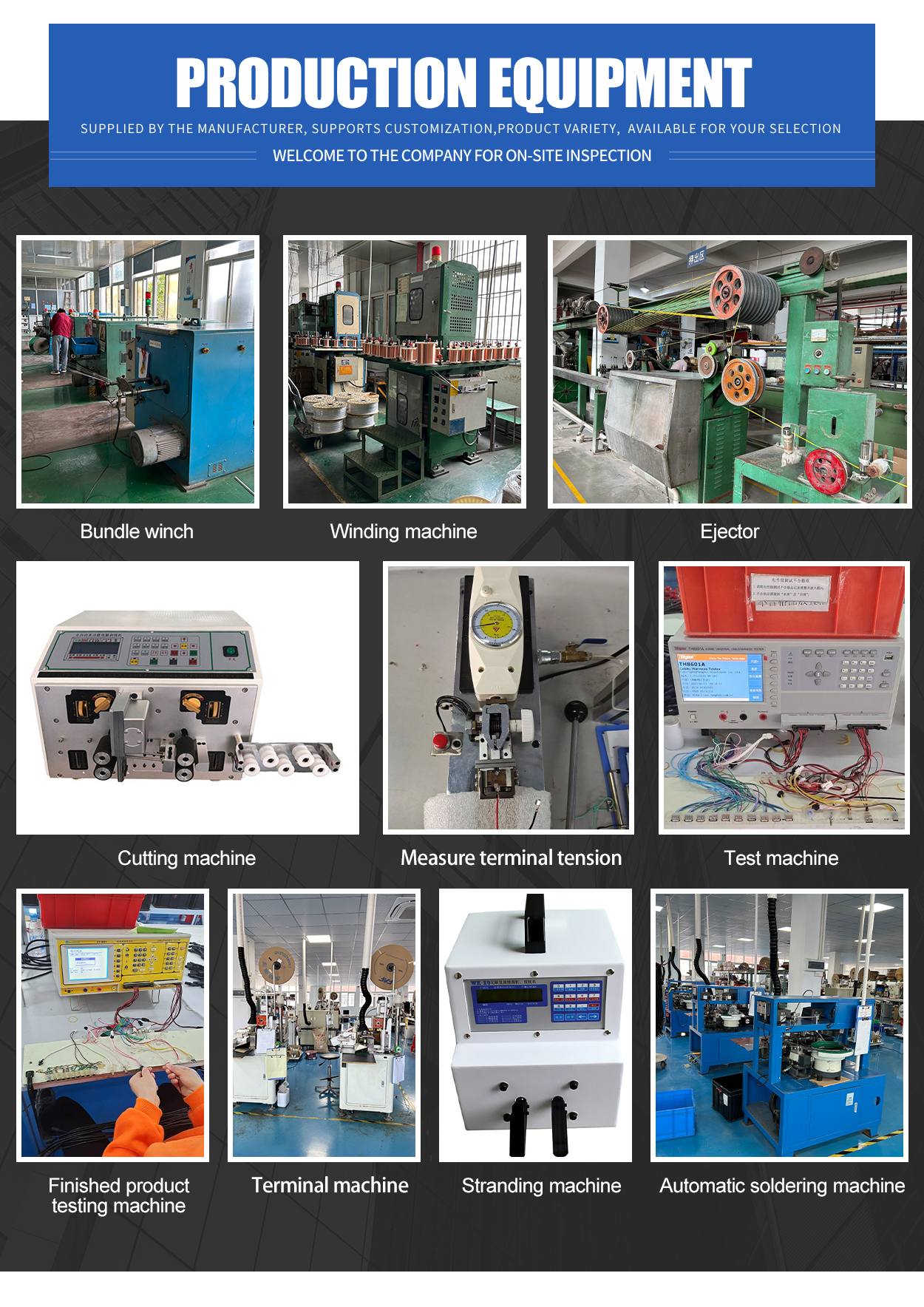
Why OEM Customers Choose Xiamen Yihetai Cable Co.,Ltd
Strong Manufacturing Capability
Xiamen Yihetai Cable Co.,Ltd operates advanced production equipment and modern assembly lines for stable, large-scale manufacturing.
Experienced Engineering Team
We support OEM customers with:
Product design optimization
Connector matching
Rapid prototyping
Technical drawing review
Application engineering support
Strict Quality Control System
Each cable assembly undergoes rigorous testing before shipment to ensure reliability and consistency.
Global OEM Export Experience
We serve customers across:
Automotive
Industrial automation
Medical equipment
Renewable energy
Consumer electronics
Our export experience helps OEM customers simplify sourcing and supply chain management.
Industry Trends in Electrical Harness and Cable Assembly
Lightweight Design
Reducing cable weight improves system efficiency and energy savings.
High-Speed Data Transmission
Modern systems require support for:
Ethernet
USB-C
CAN Bus
High-frequency communication
Smart Manufacturing Integration
Industry 4.0 is driving demand for:
Intelligent cable management
Automated production
Digital quality tracking
New Energy Applications
Electric vehicles and renewable energy systems continue to increase demand for:
High-voltage harnesses
Heat-resistant materials
High-current connectors
Conclusion
Electrical harnesses and cable assemblies are critical components that directly influence system reliability, safety, and operational efficiency. For OEM manufacturers, selecting the right supplier is essential for ensuring product quality, stable delivery, and long-term project success.
As a professional wire harness and cable assembly manufacturer, Xiamen Yihetai Cable Co.,Ltd provides customized OEM connectivity solutions backed by strong engineering support, strict quality management, and global manufacturing experience.
Whether your project involves automotive electronics, industrial automation, medical devices, or new energy systems, our team is ready to support your next cable assembly project with reliable and cost-effective solutions.
FAQ
What industries use electrical harnesses and cable assemblies?
Industries include automotive, industrial automation, medical equipment, telecommunications, renewable energy, and consumer electronics.
What is the difference between a wire harness and a cable assembly?
Wire harnesses mainly organize wires, while cable assemblies provide additional protection and environmental resistance.
Can OEM cable assemblies be customized?
Yes. OEM projects typically require customized connectors, wire gauges, shielding, and protection structures.
Does Xiamen Yihetai Cable Co.,Ltd support OEM and ODM projects?
Yes. We provide complete OEM and ODM wire harness and cable assembly manufacturing services.
Structured Conversion Path
Step 1 — Submit Your Technical Requirements
Send us:
Drawings
Connector specifications
Cable requirements
Application environment details
Step 2 — Engineering Evaluation
Our engineering team reviews:
Electrical requirements
Mechanical structure
Material selection
Cost optimization
Step 3 — Sample Production
We produce prototypes for validation and testing.
Step 4 — Mass Production
After approval, we arrange stable large-scale manufacturing with strict quality control.
Step 5 — Global Delivery Support
We provide professional export packaging and worldwide shipping support.
Contact Xiamen Yihetai Cable Co.,Ltd
Looking for a reliable OEM wire harness and cable assembly manufacturer in China?