
As modern vehicles evolve toward electrification, intelligence, and connectivity, automotive wire harnesses have become the backbone of vehicle architecture. From power distribution to signal transmission, every system in a vehicle relies on well-designed electrical wire harnesses to function reliably.
For OEM engineers and procurement professionals, understanding the different types of wire harness for car systems is critical—not only for performance optimization but also for cost control and long-term reliability.
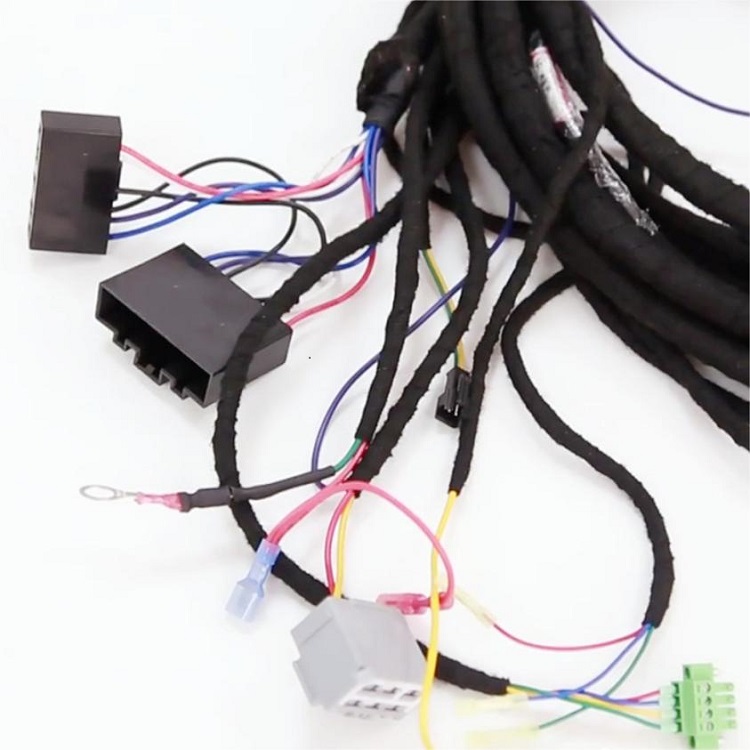
Why Automotive Wire Harnesses Matter More Than Ever
In today’s EV and smart vehicle ecosystem, wiring systems must meet increasingly demanding requirements:
Higher voltage loads (especially in EVs)
Greater data transmission capacity
Lightweight design for improved efficiency
Enhanced durability under extreme conditions
This is where custom wire harnesses and Custom Electrical Automotive Wire Harnesses play a key role—ensuring each system is tailored to specific vehicle platforms and applications.
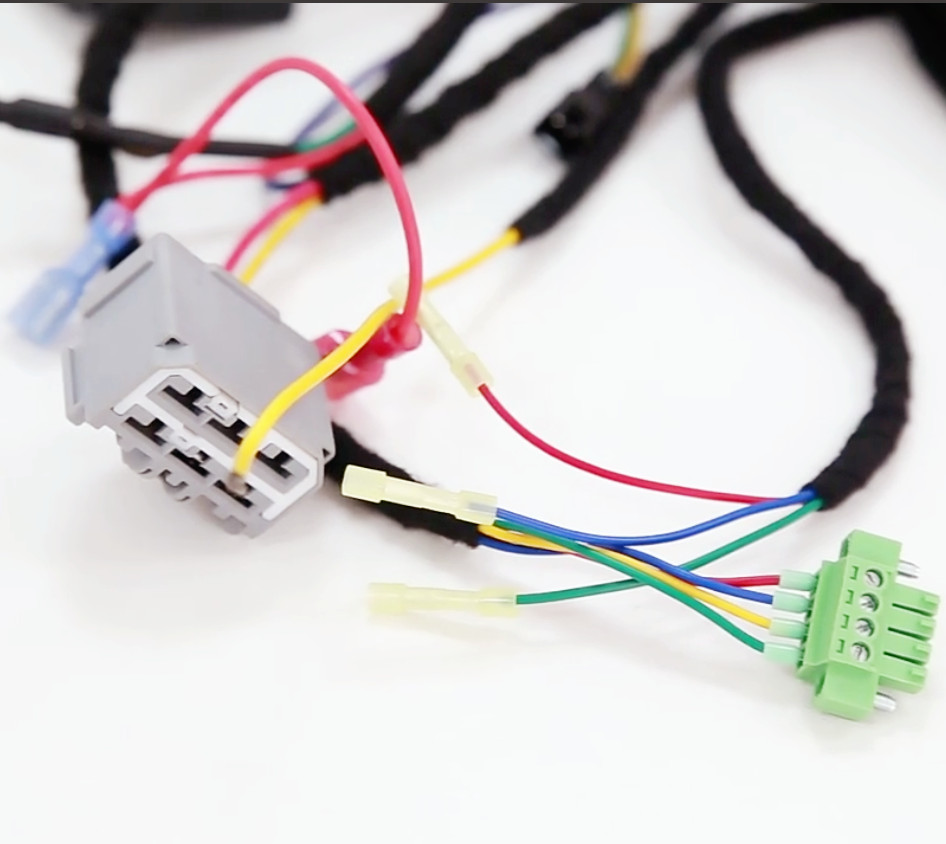
6 Common Types of Automotive Wire Harnesses
1. Engine Wire Harness
The engine harness is one of the most critical automotive wire harnesses, responsible for connecting sensors, fuel injectors, and control units.
Function:
Transfers signals between engine components and ECU
Ensures precise engine control and performance
2. Chassis Wire Harness
This type of wire harness for car supports the vehicle’s structural and safety systems.
Function:
Connects ABS, suspension, and braking systems
Supports stability and safety features
3. Dashboard Wire Harness
A complex network of electrical wire harnesses located behind the dashboard.
Function:
Powers infotainment systems, instrument cluster, and controls
Enables driver interaction and vehicle monitoring
4. Lighting Wire Harness
Lighting systems rely on durable custom wire harnesses for consistent performance.
Function:
Supplies power to headlights, taillights, and interior lighting
Ensures visibility and safety compliance
5. Battery & Powertrain Wire Harness (EV/HEV)
In new energy vehicles, high-voltage Custom Electrical Automotive Wire Harnesses are essential.
Function:
Connects battery packs, inverters, and motors
Handles high voltage and current loads safely
6. Body Wire Harness
This is the largest and most distributed automotive wire harnesses system in a vehicle.
Function:
Controls windows, seats, doors, and HVAC systems
Supports comfort and convenience features
Industry Analysis: Key Parameters for Automotive Wire Harness Selection
| Parameter | Importance Level | Description |
|---|---|---|
| Voltage Capacity | High | Determines suitability for EV/high-power systems |
| Temperature Resistance | High | Critical for engine and battery environments |
| Weight Optimization | Medium-High | Impacts vehicle efficiency and range |
| EMC Shielding | High | Prevents signal interference in electronic systems |
| Durability & Flexibility | High | Ensures long-term performance under vibration and movement |
| Customization Capability | High | Enables tailored solutions for different vehicle platforms |
The Role of Customization in Modern Vehicles
Standardized solutions are no longer sufficient. Today’s OEMs increasingly rely on custom wire harnesses to:
Optimize space within compact vehicle architectures
Improve energy efficiency through lightweight materials
Ensure compatibility with advanced electronic systems
High-quality Custom Electrical Automotive Wire Harnesses are engineered with precision processes such as automated crimping, overmolding, and rigorous testing to guarantee consistency and safety.
FAQ: Automotive Wire Harnesses
Q1: What is the difference between standard and custom wire harnesses?
A: Standard harnesses follow fixed designs, while custom wire harnesses are tailored to specific vehicle requirements, improving performance and integration.
Q2: Why are automotive wire harnesses critical in EVs?
A: EVs require high-voltage electrical wire harnesses to safely transmit power between batteries, motors, and control systems.
Q3: How do manufacturers ensure quality?
A: Through certifications such as ISO9001 and IATF 16949, along with rigorous testing for insulation, conductivity, and durability.
Q4: What materials are commonly used?
A: Copper or aluminum conductors, high-temperature insulation, and flame-retardant materials are standard in wire harness for car applications.
Q5: Can wire harnesses be optimized for weight reduction?
A: Yes, advanced materials and design engineering allow automotive wire harnesses to be lighter without compromising performance.
Conclusion
As vehicles become more electrified and intelligent, automotive wire harnesses are no longer just connectors—they are strategic components that directly impact safety, efficiency, and performance. From engine systems to high-voltage EV applications, each type of wire harness for car plays a vital role in ensuring seamless vehicle operation.
For OEMs and system integrators, choosing the right partner for custom wire harnesses is essential to staying competitive in a rapidly evolving industry.
Call to Action
If you are looking for reliable, high-performance Custom Electrical Automotive Wire Harnesses, now is the time to collaborate with a manufacturer that understands both engineering precision and global compliance.
Contact us today to discuss your project requirements, request samples, or get a customized quote. Let’s build the next generation of automotive innovation—together.